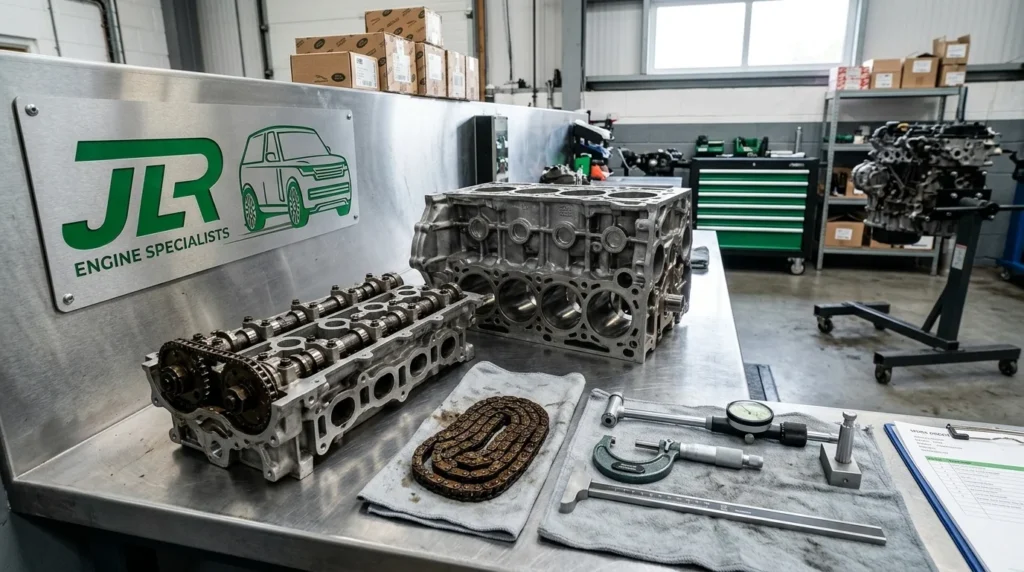
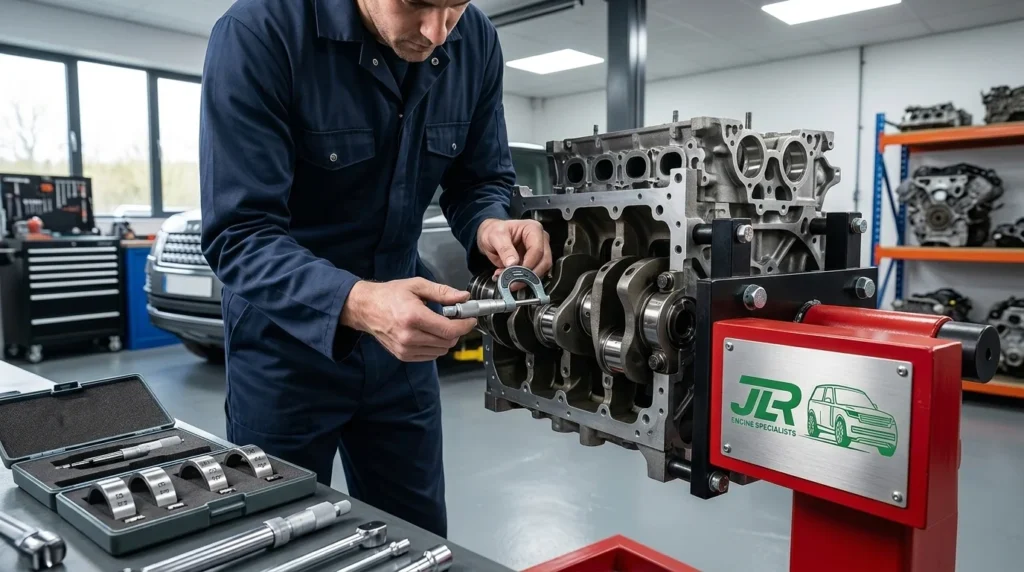
When a 2012 to 2021 Range Rover L405 arrives at our workshop with a cold start rattle or unexplained coolant loss, the first question is always whether the previous owner adhered to a severe duty maintenance schedule. The answer determines whether we are looking at a minor component replacement or a full engine rebuild.
The L405 generation represents a high water mark for Land Rover luxury, featuring an advanced aluminium monocoque chassis and highly complex powertrains that demand exacting care. However, this engineering sophistication leaves zero margin for deferred maintenance.
At JLR Engines, our approach is to recondition and rebuild your original engine wherever possible. Engine replacement is only recommended when the engine core is beyond economical repair, which represents a small minority of the work we carry out. A specialist rebuild typically saves 40 to 50 percent compared to main dealer replacement costs while maintaining OEM standard quality.
By understanding the specific failure points of your engine variant through our expert engine rebuilding and reconditioning service, you can make informed decisions that protect both your vehicle and your wallet.
Quick Answer Are L405 Range Rover Engines Reliable
The short answer is that L405 engines are highly capable but entirely unforgiving of neglect. The chassis hosted three primary engine families, including the 3.0 litre V6 diesel, the 4.4 litre V8 diesel, and the 5.0 litre V8 petrol.
None of these engines are inherently bad from an engineering standpoint, but they are highly intolerant of the extended 20000 mile oil service intervals often recommended in the original owner manual. Proper engine diagnostics are essential to catch issues before they escalate into major failures.
The 5.0 V8 petrol is generally the most robust mechanically, provided its cooling system is proactively managed. The 4.4 TDV8 offers immense torque but requires strict adherence to timing chain maintenance. The 3.0 SDV6, while the most economical to run, is the most fragile regarding bottom end bearing clearances and oil system cleanliness.
Reliability on the L405 is not a matter of luck. It is a direct reflection of preventative maintenance and early diagnostic intervention.
Red Flag Years L405 Engine Reliability by Production Era
The L405 enjoyed a long production run, and engineering revisions were made throughout its lifecycle. Understanding where your vehicle falls in this timeline helps calibrate your diagnostic expectations.
- 2012 to 2014 Early Models: High risk. Primary concerns include 3.0 SDV6 crankshaft bearing failure and 4.4 TDV8 timing chain wear.
- 2015 to 2017 Middle Models: Moderate risk. Known for 5.0 V8 coolant crossover leaks and early AJ133 timing chain tensioner wear.
- 2018 to 2021 Late Models: Lower to moderate risk. Issues mostly involve SDV6 turbo actuator seizures and general high mileage cooling system degradation.
Symptoms and Causes The Most Common L405 Engine Problems
Diagnosing an L405 requires distinguishing between normal operational characteristics and the early warnings of mechanical degradation. Below are the most frequent issues we address in our Essex workshop.
3.0 SDV6 Crankshaft and Bearing Failure
The 3.0 litre V6 diesel is notorious for bottom end fragility when subjected to extended oil drain intervals. Symptoms typically begin as a metallic diesel like rattle on a cold start that fades as oil pressure builds and the oil thins out. Over time, this progresses to a permanent knock and low oil pressure warnings on the dashboard.
In our workshop, we regularly see 3.0 SDV6 engines arrive with spun bearings after owners dismiss cold start rattles as normal diesel clatter. The root cause is often oil sludge blocking the narrow oil feed galleries in the crankshaft, starving the big end bearings and scoring the journals.
We documented a similar failure in our TDV6 crankshaft failure case study, showing how we approached the rebuild. If caught early, crankshaft repair and bearing replacement is possible. If ignored, the block is often destroyed by a disconnected connecting rod.
Timing Chain Wear SDV6 and TDV8
Both the V6 and V8 diesel engines utilise chain driven timing systems located at the rear of the engine. This placement makes them notoriously difficult to inspect and expensive to replace. As the chains stretch and the plastic guides degrade, owners will hear a distinct rattling from the rear of the engine bay on startup, accompanied by a slightly rough idle.
If the chain stretches beyond the tolerance of the tensioner, it can jump a tooth, resulting in catastrophic valve to piston contact. A proactive timing chain replacement using updated OEM tensioners and reinforced guides is the only reliable cure.
You can see a real world example of this in our SDV6 timing chain case study. Attempting to use pattern parts or ignoring the noise until the engine misfires usually guarantees a full engine rebuild rather than a scheduled repair.
5.0 V8 AJ133 Coolant Crossover and Timing Issues
The naturally aspirated and supercharged 5.0 litre petrol V8 is mechanically robust, but its cooling system is a known weak point. We have received L405 5.0 V8 engines that were previously misdiagnosed elsewhere as head gasket failures, when the root cause was actually the plastic coolant crossover pipe degrading and leaking into the engine valley.
Symptoms include a sweet smell in the cabin, unexplained coolant loss without visible puddles under the car, and eventual misfires as coolant pools around the spark plugs. Addressing this requires dropping the front of the engine or removing the supercharger to replace the plastic pipes.
This must be paired with a thorough coolant leak and overheating repair protocol to flush the contaminated oil. We recently detailed this exact scenario in our AJ133 supercharger coolant leak case study.
Turbocharger Actuator and Hose Failures Diesels
High mileage L405 diesels frequently present with limp mode, whistling under load, or blue smoke under acceleration. While internal turbo failure does occur, the more common culprit is a split aluminium reinforced intercooler hose or a seized turbo actuator arm caused by carbon buildup from the EGR system.
A proper diagnostic involving a smoke test and live data actuator sweep will separate a minor hose replacement from a major component failure. If the turbo is indeed failing, our turbo repair and replacement service ensures the entire induction system is restored to factory specifications.
Furthermore, addressing the root cause of the carbon buildup through professional DPF and EGR cleaning is vital to prevent the new components from suffering the same fate.
What This Is Not Misdiagnosing the L405 Diesel Rattle
A common mistake we see is assuming L405 diesel cold start rattles are just normal injector clatter or heavy oil. In our workshop, we regularly find this specific metallic noise is actually early crankshaft big end bearing wear or severe timing chain stretch.
This requires immediate mechanical strip down rather than a simple fluid change. Ignoring these auditory warnings and treating them as normal engine character is the fastest way to turn a manageable repair into a catastrophic engine failure. Trusting a specialist for accurate mechanical repairs ensures the true root cause is identified and resolved correctly.
Repair Routes and Cost Expectations for L405 Engines
Understanding the financial reality of L405 ownership is crucial for making the right repair decisions. The following cost bands reflect current UK specialist workshop rates for 2026, though final quotes always depend on the exact state of the engine upon strip down. Please see our pricing disclaimer for full details.
3.0 SDV6 Rebuilds
A full specialist rebuild typically falls between £4500 and £7500. The lower end assumes the crankshaft journals are within tolerance, the turbo has not ingested debris, and the block is reusable. The upper end reflects crankshaft regrinding, oversized OEM bearing shells, a full timing chain kit, and a turbo cartridge replacement due to oil contamination. Main dealer supply and fit of a replacement unit for the same engine typically exceeds £14000.
4.4 TDV8 Timing and Rebuilds
A preventative rear timing chain and tensioner replacement usually costs between £2800 and £3800, largely due to the extensive labour required to access the rear of the V8. If the chain has already failed and caused internal damage, a full TDV8 rebuild ranges from £5500 to £8500, depending on cylinder head and valvetrain damage.
5.0 V8 Petrol Cooling and Timing
Replacing the fragile plastic coolant crossover pipes and water pump typically costs £1200 to £1800. If the timing chain guides have failed, which is more common on pre 2015 models, a full timing component refresh ranges from £2500 to £3500.
All major rebuilds and structural repairs carried out at JLR Engines are backed by a comprehensive 12 month unlimited mileage warranty, providing peace of mind that main dealer used replacements simply cannot match.
Preventative Maintenance Keeping the L405 on the Road
The difference between an L405 that reaches 150000 miles and one that fails at 80000 miles is almost always maintenance. Adhering to a strict routine servicing schedule is the single best way to protect your investment.
- Oil Intervals: Ignore the factory 20000 mile or 24 month claims. For the SDV6 and TDV8, we strongly recommend dropping the oil and filter interval to 10000 miles or 12 months, using only the exact OEM specified 5W30 or 0W30 fully synthetic oil. The tight bearing clearances in the diesel engines require pristine oil to maintain the hydrodynamic wedge that prevents metal on metal contact.
- Warm Up Procedures: The TDV8 and SDV6 turbos and timing chains are highly sensitive to cold, thick oil. Avoid heavy acceleration or high motorway speeds until the engine oil temperature has reached at least 70 degrees Celsius.
- Cooling System Proactivity: If you own a 5.0 V8 petrol, do not wait for the plastic coolant crossover to fail. Proactively replacing the plastic pipes, thermostat housing, and water pump at the 80000 mile mark prevents the sudden loss of coolant that can warp the aluminium cylinder heads and destroy the engine in minutes.
Frequently Asked Questions
Can I keep driving my L405 if it has a cold start rattle
If the rattle is faint and disappears within two seconds of starting, you should immediately book a diagnostic inspection and avoid high revving the engine. If the rattle persists for more than five seconds, or is present when the engine is warm, you must stop driving the vehicle immediately. Continuing to drive risks spinning a bearing and destroying the engine block, turning a repairable fault into a total engine replacement.
Is the 5.0 V8 petrol more reliable than the SDV6 diesel
Mechanically, the 5.0 V8 petrol is far more robust and does not suffer from the catastrophic bottom end bearing failures that plague the 3.0 SDV6 diesel. However, the 5.0 V8 is highly sensitive to cooling system neglect, and its fuel economy makes it expensive to run. The SDV6 is more fragile but can be reliable if the owner strictly adheres to 10000 mile oil changes and listens for early timing chain warnings.
Will an early timing chain replacement save my SDV6 engine
Yes, replacing the timing chains, guides, and tensioners before they stretch beyond their limits is the single most effective way to preserve an SDV6 or TDV8 engine. If you wait until the engine misfires or the timing jumps, the valves will strike the pistons, requiring the cylinder heads to be removed, machined, and fitted with new valves, effectively doubling the cost of the repair.
Are L405 engine repairs covered by any extended warranties
Most aftermarket extended warranties will cover sudden, catastrophic failures like a snapped timing chain, provided you can prove a strict maintenance history with correct OEM fluids. However, they almost universally exclude failures caused by wear and tear or sludge buildup resulting from extended oil intervals, which is why maintaining your own independent service records is vital for any warranty claim.
How do I know if my L405 crankshaft is damaged beyond repair
A definitive answer requires removing the sump and measuring the crankshaft journals with a micrometer, but an oil analysis can provide a strong early indicator. If an oil sample returns with high levels of copper, lead, and iron, it indicates that the big end bearings are actively wearing away and scoring the crankshaft. Catching this early allows for crankshaft regrinding, whereas ignoring it leads to a cracked block.
Conclusion
Owning a Range Rover L405 is a rewarding experience, provided you respect the engineering tolerances of its powertrain. Whether you are managing the delicate oil galleries of the 3.0 SDV6, the complex timing system of the 4.4 TDV8, or the cooling circuit of the 5.0 V8, early intervention is always cheaper than reactive replacement.
By partnering with a specialist workshop that understands the nuances of these engines through our specialist JLR services, you can keep your L405 on the road for years to come. This approach helps you avoid the inflated costs and uncertain quality of main dealer replacements.
Speak to a JLR engine specialist about your Range Rover by calling +44 203 488 4649. You can also contact our Billericay workshop to discuss your specific requirements, request our national collection and delivery for your vehicle, or get a quote online today.