The 2.5-litre 300Tdi and TD5 engines in the L316 Defender and L318 Discovery represent two entirely different engineering philosophies colliding within the same vehicle chassis. One relies on a mechanical rotary injection pump and legendary field serviceability, while the other introduced electronic unit injection to meet tightening emissions standards, fundamentally changing the ownership experience.
For enthusiasts and daily drivers alike, the transition in 1998 was not merely a change in engine codes. It was a watershed moment that divided the Land Rover community into two distinct camps. Choosing between the mechanically simple 300Tdi and the electronically injected TD5 is rarely about which engine is objectively superior. Instead, it is a tradeoff between field serviceable expedition reliability and modern daily drivability, dictated entirely by how you plan to use the vehicle.
At JLR Engines, our approach is to recondition and rebuild your original engine wherever possible through our expert engine rebuilding and reconditioning service. Engine replacement is only recommended when the engine core is beyond economical repair, which represents a small minority of the work we carry out. A specialist rebuild typically saves 40 to 50 percent compared to main dealer replacement costs while maintaining OEM standard quality. Understanding the fundamental differences between these two iconic powerplants is the first step toward making an informed, long term ownership decision.
The Engineering Divide: Mechanical Simplicity vs Electronic Injection
To truly understand the long term viability of the 300Tdi versus the TD5, one must look at how they deliver fuel to the combustion chamber.
The 300Tdi utilises a Bosch VE mechanical rotary injection pump. This system is entirely self contained, requiring no electronic control unit to manage core engine functions. Fuel metering is dictated by mechanical springs, flyweights, and manifold pressure. If the vehicle electrical system fails completely, the 300Tdi will continue to run as long as the alternator is bypassed or the battery retains enough charge to power the stop solenoid.
The TD5, introduced to comply with Euro 2 and later Euro 3 emissions regulations, abandoned the rotary pump in favour of Electronic Unit Injection. In this system, the camshaft actuates the injector plungers mechanically, but the precise timing and duration of the fuel spill valve are controlled by the engine management electronic control unit. This allowed Land Rover to extract significantly more torque and refine the combustion process, resulting in a noticeably quieter and smoother engine.
However, this sophistication introduced a complex web of sensors, a dedicated engine wiring harness, and an immobiliser system that is inextricably linked to the electronic control unit. The tradeoff is immediate and permanent. The 300Tdi offers unparalleled mechanical independence but suffers from the harshness, vibration, and emissions profile of a 1990s agricultural diesel. The TD5 offers modern drivability and superior torque delivery, but it binds the mechanical engine to the vehicle electrical architecture.
Reliability and Common Failure Points
When evaluating long term reliability, the bottom ends of both engines are exceptionally robust. The cast iron blocks, forged crankshafts, and heavy duty connecting rods in both the 300Tdi and TD5 are capable of exceeding 300,000 miles if subjected to rigorous oil maintenance. The divergence in reliability occurs almost entirely in the cylinder head, the ancillaries, and the timing systems.
The 300Tdi is an interference engine driven by a single rubber timing belt. Its most well documented catastrophic failure occurs when the timing belt tensioner seizes or the belt degrades, causing the pistons to strike the valves. However, because the engine is entirely mechanical, diagnosing a lack of power or excessive smoke is a straightforward process of checking injection timing, valve clearances, and boost pressure. The 300Tdi does not suffer from the complex thermal stress fractures that plague its successor, provided the cooling system is maintained and the head gasket is replaced at the first sign of weeping.
The TD5, conversely, is infamous for cylinder head cracking. In our workshop, we regularly see TD5 cylinder heads develop micro fractures between the valve seats after repeated heavy load towing, a failure mode the 300Tdi simply does not share due to its lower specific output and different combustion chamber design. These micro fractures allow coolant to enter the cylinder, leading to misfires, pressurised cooling systems, and eventual hydro lock if left unchecked.
Furthermore, the TD5 wiring harness chafing against the bulkhead or oil contamination in the electronic control unit plug from the injector harness are frequent culprits of misfires that have nothing to do with the mechanical engine block itself. We have received Defender engines that were previously misdiagnosed elsewhere as injector failures, when in fact the engine management wiring harness had chafed, or oil had wicked up the injector loom into the electronic control unit red plug via capillary action. Early detection through professional engine diagnostics is crucial to preventing these electrical gremlins from causing unnecessary engine swaps.
Rebuild Complexity and Long-Term Parts Availability
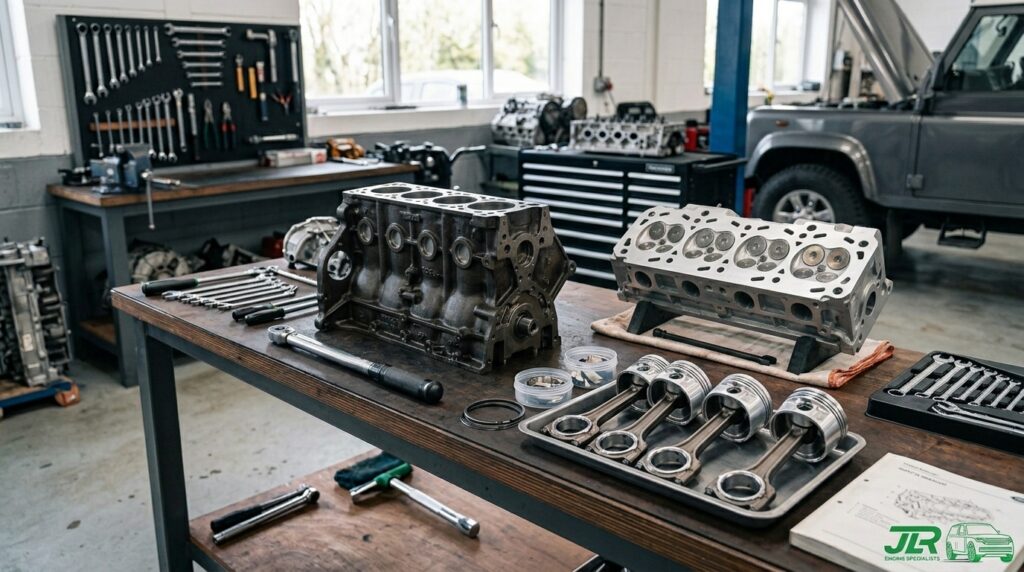
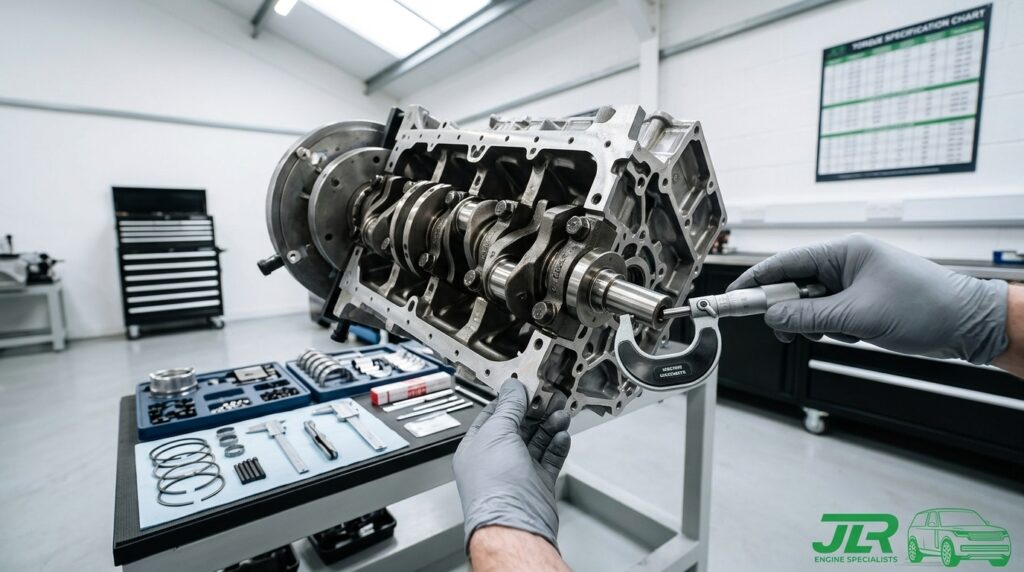
Rebuilding a 300Tdi is a well documented, highly standardised process for any competent diesel specialist. The lack of complex electronics means the focus remains entirely on machining tolerances, bearing clearances, and timing. The short block can be stripped, measured, and reassembled using widely available OEM spec bearings, rings, and gaskets. Parts availability for the 300Tdi remains exceptional, supported not only by Land Rover heritage networks but also by a massive global agricultural and industrial network that utilises variants of this engine block.
The TD5 requires a far more nuanced and expensive approach to reconditioning. While the short block rebuild mirrors the 300Tdi, the cylinder head requires meticulous pressure testing and often the installation of aftermarket upgraded cylinder heads or extensive skimming and valve seat recutting to prevent recurring cracking. The electronic components for the TD5, such as the electronic control unit, the instrument pack, and the injector harness, are becoming increasingly difficult to source new from main dealers. This makes specialist diagnostic knowledge and access to refurbished OEM electronic components essential for a reliable rebuild.
Furthermore, the TD5 rebuild process mandates the replacement of the injector harness and the thorough cleaning of the electronic control unit connectors. Reusing an old TD5 injector harness is a false economy that almost guarantees oil wicking will recur, eventually destroying the newly rebuilt engine management system. Therefore, a proper TD5 rebuild inherently carries a higher parts and labour overhead than its mechanical predecessor.
Use Case Analysis: Expedition, Daily, and Enthusiast
Because neither engine is universally superior, the decision must be framed around your specific ownership profile and how the L316 Defender or L318 Discovery will be used. You can explore more about the specific configurations available for your vehicle on our dedicated Land Rover Defender engines page.
Expedition and Overland Use
For remote travel, the 300Tdi is the undisputed champion. If a sensor fails or a wire breaks in the 300Tdi, the engine will usually keep running. You can bleed the fuel system manually with a spanner and a length of clear tubing. The TD5 requires a laptop to properly diagnose sensor faults, and a failed electronic control unit, crank sensor, or immobiliser fault will leave you stranded in the wilderness. The 300Tdi tolerance for poor quality diesel in remote regions also far exceeds the precision tolerances of the TD5 electronic unit injectors.
Daily Driving and Motorway Towing
If your Defender needs to serve as a daily driver, tow a heavy horsebox, or comfortably cruise the motorway network, the TD5 is the only logical choice. The 300Tdi is loud, vibrates heavily through the chassis, and struggles to maintain 70 mph when fully laden without pushing exhaust gas temperatures into the danger zone. The TD5 electronic torque management and superior sound deadening make it a far more relaxed, viable modern vehicle for high mileage road use.
Enthusiast and Classic Ownership
As the Defender transitions into classic territory, originality and driving experience matter. Early 300Tdi models are highly sought after by purists who value the raw, mechanical connection to the vehicle. However, a well maintained, late model TD5 with a documented specialist rebuild history offers a more usable classic experience for those who want to drive it year round without enduring the physical fatigue associated with early diesels.
The Rebuild Cost Comparison
When budgeting for a rebuild, the mechanical simplicity of the 300Tdi generally translates to lower labour times and fewer electronic variables. A full reconditioning of a 300Tdi short block and cylinder head typically ranges between £2,800 and £3,800, depending on whether the block requires line boring or the crankshaft needs regrinding. This price assumes the mechanical injection pump is in good working order.
The TD5 commands a higher entry price for a proper specialist rebuild, generally falling between £3,800 and £5,200. This increase is driven by the necessity of rigorous cylinder head pressure testing, the frequent need for upgraded heavy duty cylinder heads, and the mandatory replacement of the injector harness and electronic control unit seals to prevent oil wicking.
It is vital to remember that a cheap rebuild on either engine will cost you more in the long run. Cutting corners on TD5 head testing or using pattern 300Tdi timing components often leads to catastrophic failure within 20,000 miles. All major rebuilds at our facility include a comprehensive 12 month unlimited mileage warranty, ensuring the investment is protected regardless of which engine you choose. Please review our pricing disclaimer for variables affecting final quotes.
| Route | Typical UK Cost Range | Warranty | Notes |
|---|---|---|---|
| Specialist 300Tdi Rebuild | £2,800 – £3,800 | 12 month unlimited mileage | OEM standard parts, mechanical focus |
| Specialist TD5 Rebuild | £3,800 – £5,200 | 12 month unlimited mileage | Includes head upgrades and harness replacement |
| Main Dealer Replacement | £9,000 – £14,000+ | Varies by dealer | Rarely available for these legacy engines |
| Independent Used Unit | Lower but variable | Rarely warranted | Unknown service history, not recommended |
What JLR Engines Recommends
There is no universal best engine between the 300Tdi and the TD5. There is only the right engine for your specific ownership profile. If your Defender is a dedicated off road tool, an expedition vehicle destined for remote continents, or a weekend toy where mechanical tinkering is part of the appeal, the 300Tdi remains an engineering masterpiece of simplicity. Its ability to be serviced with basic hand tools in austere environments is a legacy that modern engines simply cannot match.
Conversely, if your L316 Defender or Discovery needs to serve as a daily driver, tow heavy loads, or comfortably cruise the motorway without inducing hearing fatigue, the TD5 is the superior choice. The refinement and torque it offers transformed the Defender from an agricultural implement into a viable modern vehicle, and when rebuilt correctly with upgraded cylinder heads, it is a highly reliable workhorse.
Whichever route you choose, the longevity of these 2.5 litre workhorses depends entirely on proactive maintenance. Adhering to strict oil change intervals, ignoring the manufacturer extended service schedules in favour of 6,000 mile intervals with high quality diesel specific oil, is the single most effective way to protect your investment. Regular routine servicing is essential to catch minor issues before they escalate. If you are weighing up a rebuild or need an expert assessment of your current engine health, our specialist JLR services provide the clarity you need to make an informed decision.
Frequently Asked Questions
Can I swap a TD5 into a 300Tdi Defender, or vice versa?
While engine swaps are physically possible, they are rarely cost effective or practical for road use. Swapping a 300Tdi into a TD5 chassis requires defeating the immobiliser system, modifying the wiring loom, and adapting the gearbox bell housing. Conversely, fitting a TD5 into an older 300Tdi Defender requires sourcing the entire engine management system, dash instrumentation, and immobiliser electronic control unit. We generally advise rebuilding the original engine to maintain vehicle integrity and avoid severe electrical gremlins.
Which engine is more fuel efficient in real world driving?
Despite the TD5 having more power and electronic injection, real world fuel economy between the two is remarkably similar, typically hovering around 22 to 26 miles per gallon depending on vehicle weight and tyre size. The TD5 can achieve slightly better figures on steady motorway runs due to its taller gearing and precise injection timing, but the 300Tdi mechanical pump is less sensitive to varying fuel qualities. Neither engine should be purchased with the expectation of modern diesel economy.
Are TD5 cylinder heads really as fragile as people claim?
The reputation for TD5 cylinder head cracking is based on fact, but it is often exaggerated. The early engines and those subjected to severe towing or poor cooling system maintenance are highly susceptible to thermal stress fractures between the valve seats. However, later engines benefited from design revisions, and modern specialist rebuilds often incorporate upgraded, reinforced cylinder heads or meticulous pressure testing that entirely mitigates this risk for normal road use.
How does the timing belt setup differ between the two?
The 300Tdi uses a single timing belt to drive both the camshaft and the mechanical injection pump, meaning a belt failure results in immediate catastrophic valve damage. The TD5 uses a timing belt for the camshaft, while the electronic unit injectors are actuated by the camshaft lobes directly. Both are interference engines, meaning timing belt neglect will destroy the cylinder head on either powerplant, but the TD5 requires more precise alignment procedures due to the electronic sensor timing markers.
Is the TD5 immobiliser system a major liability for long term ownership?
The TD5 immobiliser system, which links the electronic control unit, the instrument pack, and the key fob receiver, can be a significant liability if components fail or are replaced without proper coding. Unlike the 300Tdi, which has no electronic immobiliser, a TD5 with a mismatched electronic control unit and dash pack will crank indefinitely but never fire. Specialist knowledge is required to diagnose and resolve these communication faults, which is why retaining the original, matching numbers electronic components during a rebuild is highly recommended.
Conclusion
The debate between the 300Tdi and the TD5 is ultimately a reflection of what you demand from your Land Rover. The 300Tdi is the ultimate survivor, a mechanical anachronism that rewards the owner who values simplicity, field repairability, and raw, unfiltered engineering. The TD5 is the ultimate user friendly workhorse, a sophisticated evolution that brought necessary refinement, torque, and daily usability to the Defender and Discovery platforms.
Both engines are capable of massive mileage and legendary service, provided they are treated with respect, maintained obsessively, and rebuilt by specialists who understand their unique quirks when the time finally comes.
Speak to a JLR engine specialist about your Defender or Discovery by calling +44 203 488 4649. You can also contact our Billericay workshop to discuss your specific requirements, request our national collection and delivery for your vehicle, or get a quote online today.